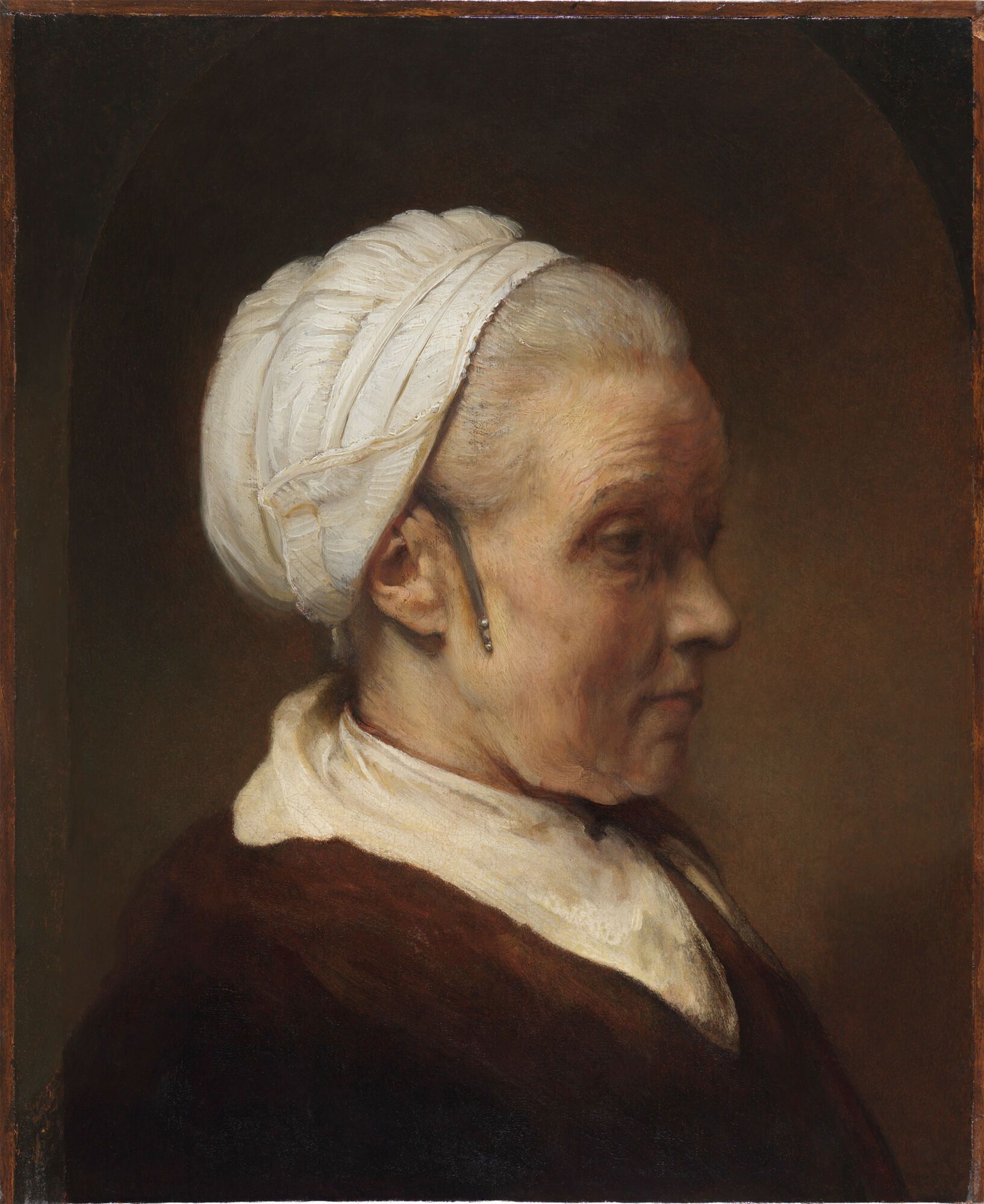
Something significant happened in the Netherlands at that time. Becoming a republic, sort of, Grotius, Huygens, Spinoza, and the list goes on. A lot can be said but a lasting thing is the emergence of the Dutch painters. No more portraits of great men (and the occasional woman), landscapes, and seascapes, and on. Instead, a humanistic and democratic art of showing ordinary people in ordinary circumstances. Of course, there is Rembrandt and Vermeer and what not, but also so many others.
Rembrandt in Palm Beach ponders this, and beautifully says:
What is it with these Dutchmen? Did human subjects not exist before them? (That strange word tronie for a painting done from the imagination, as a character study, though every bit as real and individual and feasible as any portrait.) Did they write the book on patience? (All those letters being written and read, those prayers being said, those scholars at their studies, those musical instruments being played.) Did they invent detail? The pulleys, the bolts and dowels, the tuning pegs, the baskets of eggs, the lean bacon, the fat bacon, the corms of dried poppyseeds, the buttonholes, the pages of writing, the various convexities of bowls and spoons and pearls, the lace collars, the oorijzer or ‘head-brooch’ – a sort of wishbone fitted over the head that presses the cheek and holds down the flaps of a mob-cap or bonnet. And almost invariably the challenges are met and mastered, not ducked or sidestepped. The fiddlier the better.
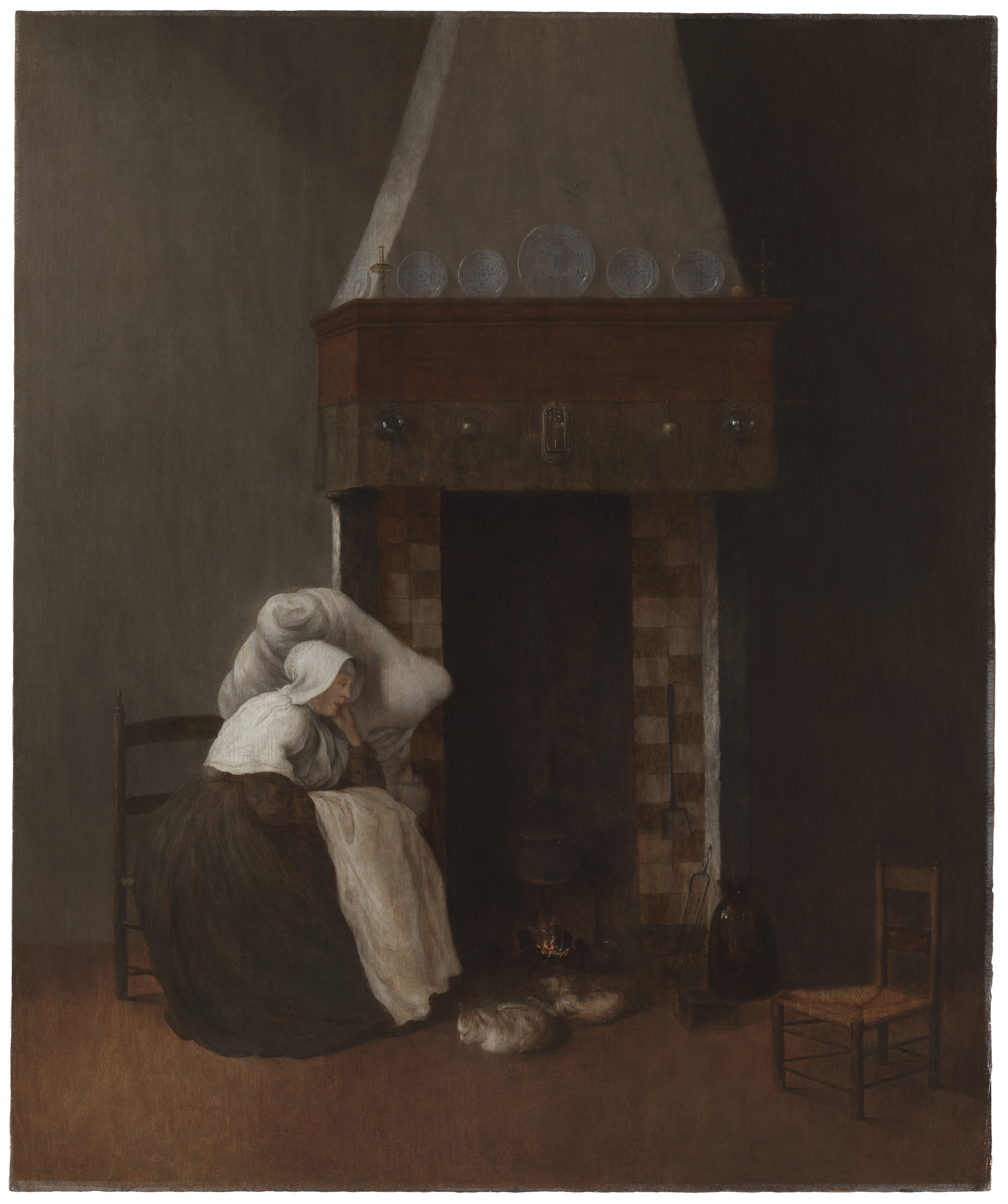
So let us look at one more painting and sit in awe and be grateful for what happened:
© Henning Bertram 2026